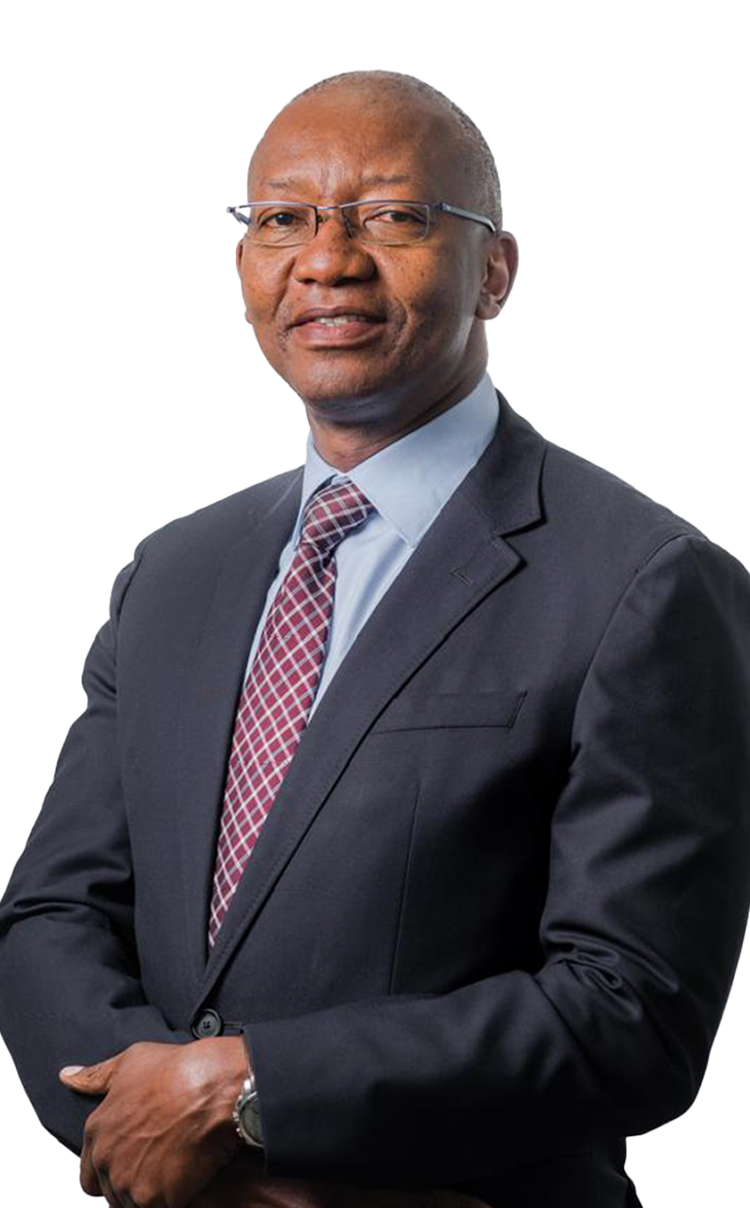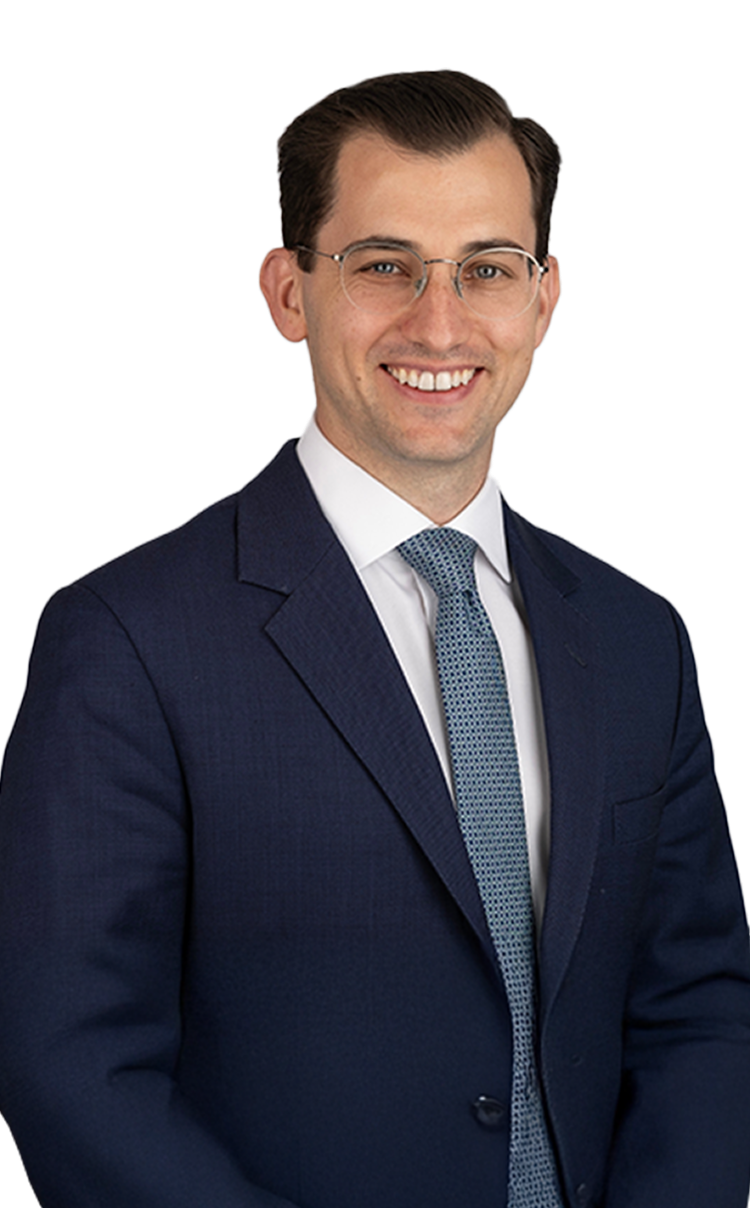
Victoria Kawonga

Investment Associate
/ The Team

About Victoria

About Victoria

Victoria Kawonga is a finance professional with over four years of experience across capital markets and banking in Zambia.

Before joining Growth Investment Partners Zambia, Victoria spent over three years as an Analyst at one of the country’s established stockbroking and investment banking firms, a member of the Lusaka Securities Exchange. There she valued companies across sectors ranging from mining and energy to manufacturing and hospitality, assessed the holdings of some of the country’s largest institutional investors, and advised both public and private clients on corporate actions. She also carried regulatory responsibility for a substantial share of the companies listed on the exchange, steering them through their reporting obligations and corporate transactions under the rules of the Securities and Exchange Commission and the Lusaka Securities Exchange. Earlier in her career, she held roles at a pan-African commercial bank and at a regional telecommunications and technology company.

At Growth Investment Partners Zambia, Victoria serves as an Investment Associate, supporting the firm’s investment activity across the cycle — from originating and assessing new opportunities through structuring and disbursement to the ongoing monitoring of portfolio companies — and contributing the research and reporting that inform investment decisions and track performance.

She holds a Bachelor of Science in Mathematics of Finance from the University of the Witwatersrand, Johannesburg.”

Meet the rest of the team

The board of directors

Joseph Chikolwa

Board Chair

Mukwandi Chibesakunda

Non-executive Director

Dirk Holshausen

Non-executive Director

Musonda Chipalo

CEO & Director

Basil Nundwe

Investment Committee Chair

Regina Mulenga

Investment Committee Member

Charles Carey

Investment Committee Member

Keegan Ziady

Board & Investment Committee Observer

Inutu Zaloumis

Independent Non-Executive Director

The team

Diana Mkonda

Head of Investments

Mbela Mtamboh

Head of Finance and Operations

Crispin Daka

Investment Manager

Noah. S. Siachoto

Investment Manager

Victoria Kawonga

Investment Associate

Mwila Lumbwe

Finance Associate

Mabuchi Phiri

Executive Assistant-Finance and Operations

Excluded Activities are:

  1. Forced Labour or child labour1;
  2. the mining or extracting of precious metals and other geological materials (but excluding services to companies engaged in such activities);
  3. the production of, or trade in:
    • (i) hazardous chemicals, pharmaceuticals, pesticides and wastes, as specified in the 2004 Stockholm Convention on Persistent Organic Pollutants; the 2004 Rotterdam Convention on the Prior Informed Consent Procedure for Certain Hazardous Chemicals and Pesticides/herbicides in International Trade; the 1992 Basel Convention on the Control of Transboundary Movements of Hazardous Wastes and their Disposal and WHO Recommended Classification of Pesticides by Hazard Class 1a (extremely hazardous); or 1b (highly hazardous);
    • (ii) ozone depleting substances, as specified in the 1999 Montreal Protocol on Substances that Deplete the Ozone Layer;
    • (iii) endangered or protected wildlife or wildlife products, as specified in the 1975 Convention on International Trade in Endangered Species or Wild Flora and Fauna;
    • (iv) any other product or activity deemed illegal under applicable local or national laws or regulations or subject to internationally agreed phase-outs or bans as defined in global conventions and agreements;
    • (v) arms (i.e. weapons, munitions or nuclear products, primarily designated for military purposes); or
    • (vi) radioactive materials (excluding medical equipment, quality control (measurement) equipment, civilian power generation and any equipment in which the radioactive source could reasonably be considered to be trivial or adequately shielded);
  4. the production of, use of, or trade in unbonded asbestos fibres;
  5. unsustainable fishing methods such as blast fishing and drift net fishing in the marine environment using nets in excess of 2.5 kilometres in length;
  6. pornography or prostitution;
  7. any of the following, to the extent that the activities represent more than 10% of the Group’s underlying portfolio volumes:
    • (i) gambling, gaming casinos and equivalent enterprises;
    • (ii) tobacco or tobacco related products (except where the Group proposes to cease such activities completely within a period agreed with the ‘A’ Investors); and
  8. Destruction2 of High Conservation Value areas3
  9. Racist and/or anti-democratic media

Additional Excluded Activities means any of the following activities:

  1. speculative and/or unregulated use of cryptocurrencies;
  2. AI where it poses “unacceptable risk” as defined in the EU AI Act 2021;
  3. social media targeting children and other vulnerable people, and dating apps;
  4. products and services primarily designed for national security and intelligence services (e.g., NSO Group) where there is a reasonable risk of human rights abuses;
  5. any business if alcoholic beverages (except beer and wine) represent a substantial portion of such business;
  6. animal and human cloning; or
  7. prisons and detention centres.

Excluded Healthcare Activities means:

  1. any facility dedicated to high end cosmetic procedures and/or surgeries; or
  2. any private multi-specialty hospital that does not satisfy at least one of the Hospital Investment Criteria (as defined below).

The Hospital Investment Criteria shall be deemed satisfied if, at the date of the investment, the private multi-specialty hospital either significantly serves or demonstrates an intention to serve: (i) patients in the target segment of government payor public schemes; or (ii) patients living on US$ 8.00 or less per day. Investments in single specialty hospitals, and primary and secondary care chains are not subject to the Hospital Investment Criteria.

Excluded Education Activities means companies that are primarily involved in private, fee-charging schools that provide education from kindergarten (or equivalent) to the final year prior to tertiary level education, or companies that Primarily provide educational services to private, fee-charging schools such that they resemble private fee-charging schools (Barred K-12 Activity).

Primarily for purposes of the paragraph above is defined as where (i) for companies, more than 10% of its consolidated balance sheet or earnings, or (ii) for financial institutions, more than 10% of its portfolio volumes, comes from a Barred K-12 Activity.


  • 1 Persons may only be employed if they are at least 14 years old, as defined in the ILO Fundamental Human Rights Conventions
    (Minimum Age Convention C138, Art. 2), unless local legislation specifies compulsory school attendance or the minimum age for
    working. In such cases the higher age shall apply.
  • 2 Destruction means the (1) elimination or severe diminution of the integrity of an area caused by a major, long-term change in land or water use or (2) modification of a habitat in such a way that the area’s ability to maintain its role is lost.
  • 3 High Conservation Value (HCV) areas are defined as natural habitats where these values are considered to be of outstanding significance or critical importance (See http://www.hcvnetwork.org).